
Epigenetics & Wellbeing
Epigenetics, the key to maximising wellbeing.
Beyond Your DNA.
The completion of the Human Genome Project marked a pivotal shift in biology. Scientists originally anticipated finding over 100,000 individual genes to explain human complexity. Instead, they discovered approximately 23,000, barely more than a common fruit fly.
This profound realisation proved a transformative concept: we are not simply victims of our genetic inheritance. If our genes alone do not dictate our potential, what controls our gene expression and determines our individual wellness outcomes?
Epigenetics provides the answer. It is the sophisticated interaction between environmental signals and the adaptive processes our bodies use to optimise wellness.
While the foundations of this science trace back to Jean-Baptiste Lamarck in the 1700s and to physicist Erwin Schrödinger in the 20th century, modern science has fully elucidated how this process works.
Responding to Your Environment
Today, we understand that gene expression mediated by coding DNA represents only 2% of our genomic activity. The remaining 98% consists of non-coding DNA that actively responds to your environment.
Disruptive environmental factors, such as electromagnetic stressors and environmental exposures, can create cellular imbalances. The body responds by modifying how genes are expressed without altering the underlying DNA code itself, and these adaptations are directly reflected in your physiological function.
Every day, your environment sends bioinformation to your cells, influencing cellular optimisation and overall well-being. These everyday signals include:
The foods we consume and the water we drink
The air we breathe
Sleep patterns and daily stress factors
Exposure to electromagnetic fields
The 50,000+ thoughts we process every day

Comprehensive Insights For Optimisation
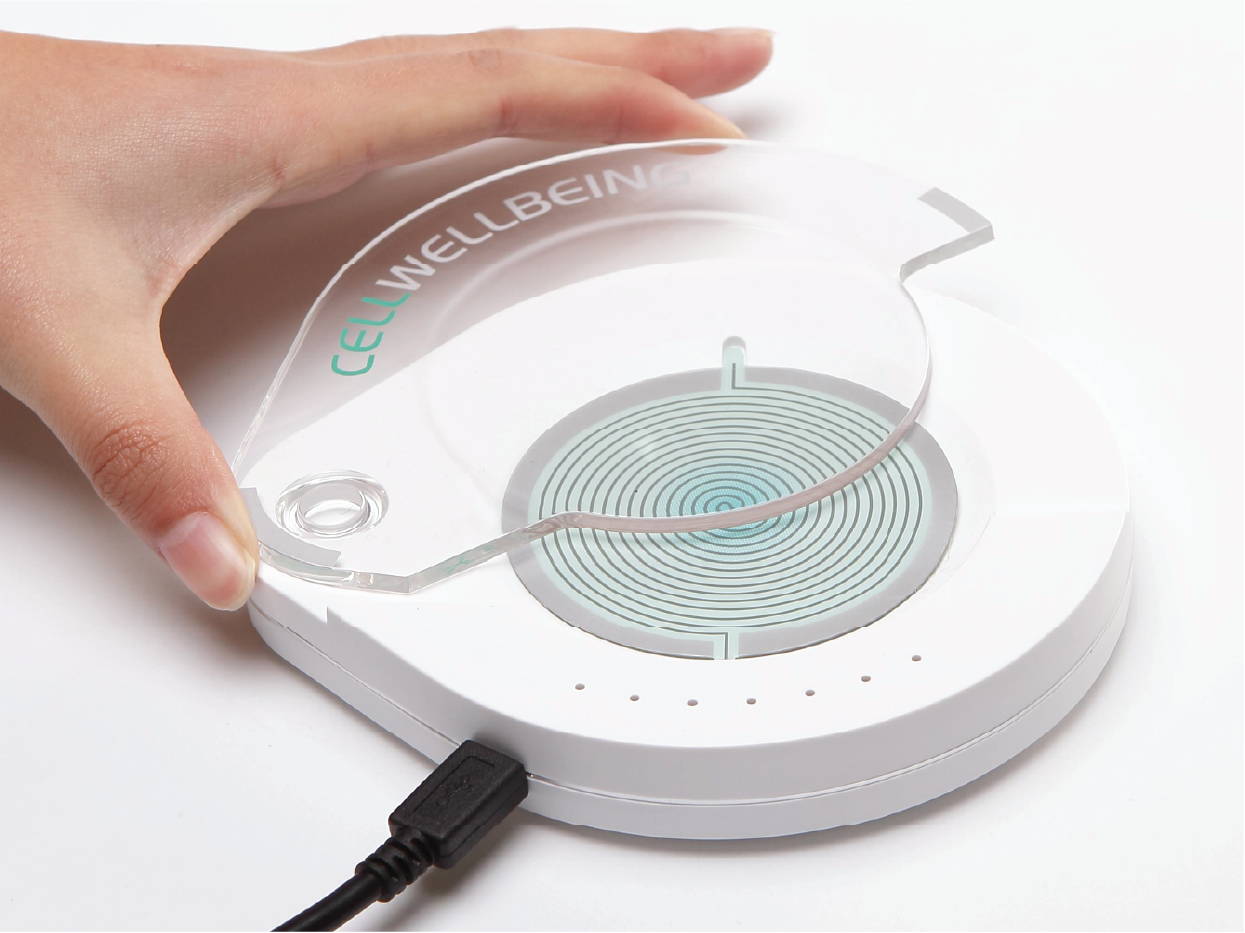
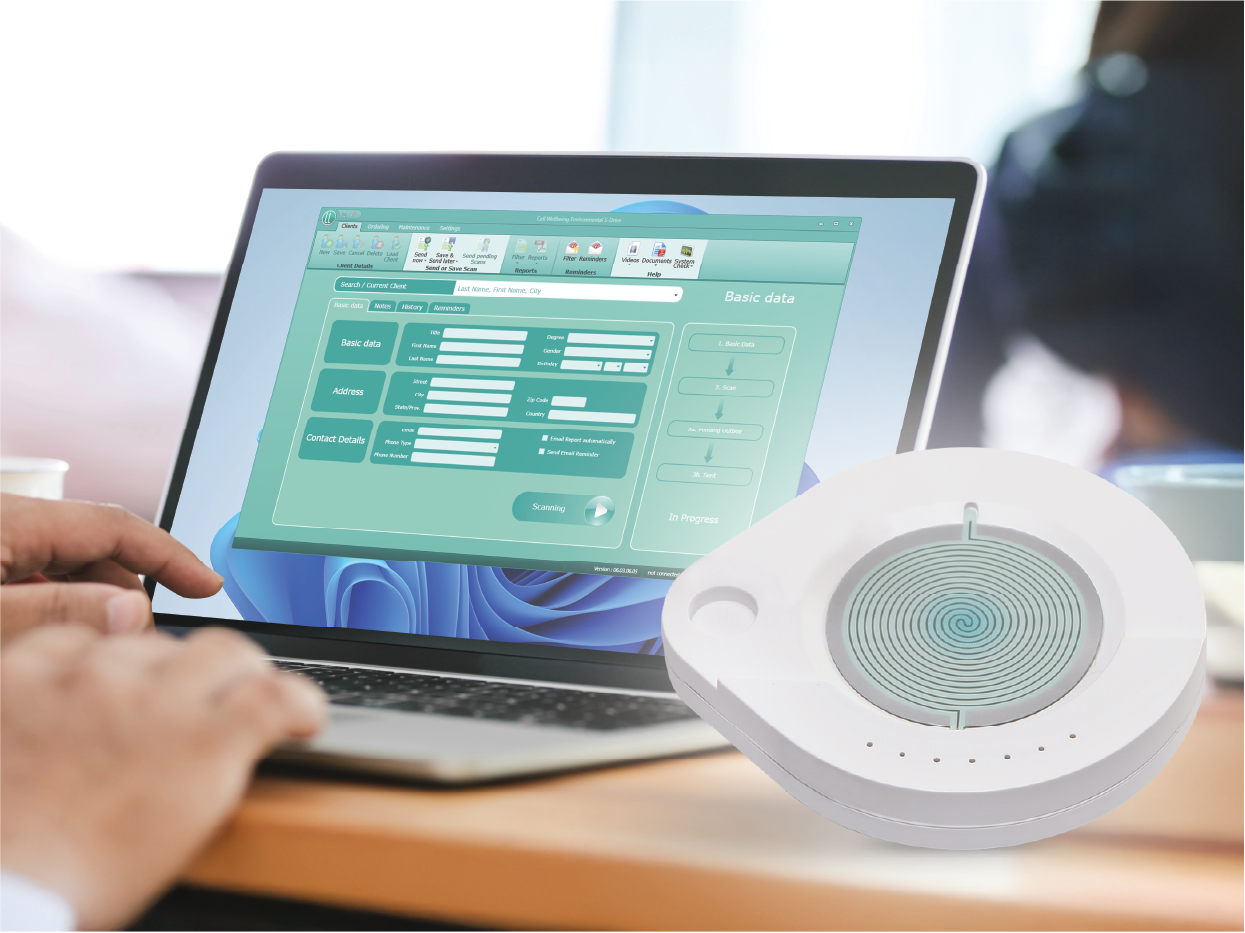
At Cell Wellbeing, our reports are formulated as advanced epigenetics mapping solutions tailored for wellness professionals. Powered by the S-Drive and our Advanced Processing Centre in Hamburg, Germany, each report translates complex epigenetic data into structured, practical insights that support personalised optimisation strategies.
Profiling over 800 epigenetic markers and concluding with 96 indicators, the reports are tailored for professionals seeking to cover lifestyle, nutritional, environmental, and performance-based approaches with greater precision. Whether applied in wellness clinics, fitness hubs, longevity clinics, spas & resorts, beauty centres, or animal wellness, our reports are designed to be integrated seamlessly into your practice to deliver data-driven support with confidence.

Frequently Asked Questions
Still have questions? Check out our FAQ or reach out to our team anytime. Whether you're ready to become a certified provider or looking to book a scan, contact us to get started.
-
Epigenetics explores how environmental signals such as diet, lifestyle, and electromagnetic exposure interact with your genes. While your DNA code remains fixed, epigenetics controls genetic expression. Up to 98% of genetic expression is influenced by your environment, giving you the power to actively influence your own wellbeing.
-
Hair follicles act as an extension of the body's sensory system. Unlike other methods that capture a single snapshot in time, hair naturally accumulates bioinformation about your body's long-term balance and environmental influences. The hair root bulb effectively stores this historical bio-resonance information, making it a highly reliable biomarker for optimisation.
-
The process requires only four strands of hair. However, it is crucial that these strands are plucked from the occipital area (the nape of the neck) and include the root bulb, as this is where the essential bio-resonance information is stored.
-
Because the Epigenetic Optimization Report provides a 90-day nutritional plan, we recommend returning for a follow-up evaluation after the 90 days are complete. This allows you to track your progress and adjust your optimisation strategies based on your newly achieved balance.
-
Our technology is effective for all age groups following puberty. However, it is not suitable for infants. Babies begin losing their initial hair (lanugo) around the 36th week of gestation, and this early hair primarily contains bio-resonance information reflecting the mother's biology rather than the baby's own epigenetic profile.